How AI is changing hospital operations
From triage to discharge, applied intelligence is quietly rewriting the operational spine of modern hospitals.
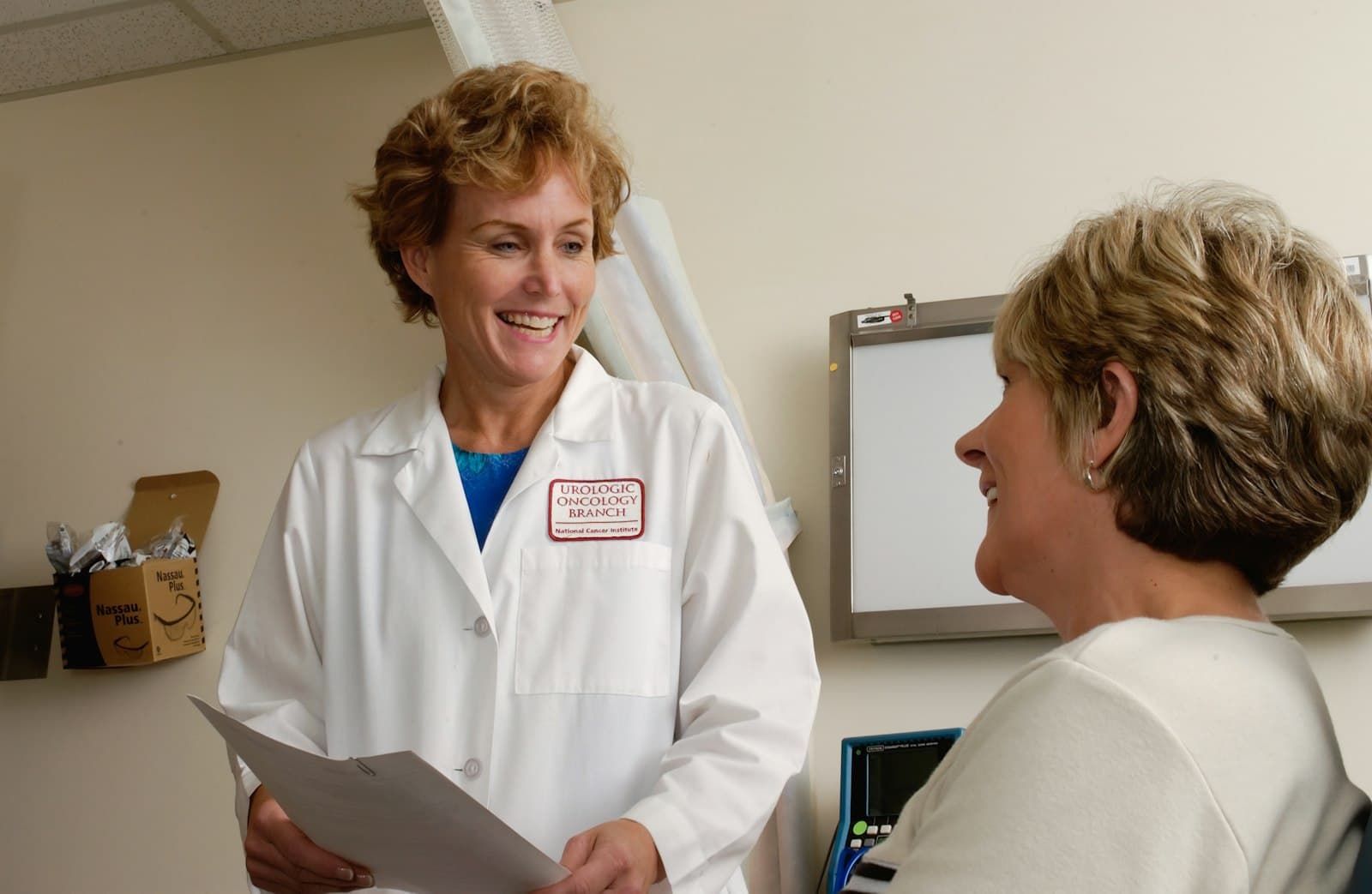
Ask any hospital COO where the day gets lost and you will hear the same three answers: the phones, the paperwork, and the wait for a bed. None of these are clinical problems. All of them are operational problems dressed up as clinical ones.
The interesting shift over the last two years is that applied AI has stopped being a demo and started being an operating capability. Not the front-of-house chatbots. The quieter systems, running against real data, changing how work is scheduled and where attention lands.
Three shifts we are seeing land
- Discharge planning that begins at admission, not at 3pm the day of discharge. Length-of-stay models are now accurate enough that pharmacy, transport and social work can queue their work early.
- Documentation that keeps up with the clinician, not the other way around. Ambient scribes have moved from novelty to standard-of-care in the units that adopted them first, the reclaimed time shows up in fewer late-shift chart-catch-ups.
- Capacity forecasting that talks to the ED before the ED talks back. Predictive models for admissions and discharges have started to smooth the daily curve that used to peak the wrong way.
What is different this time
The last generation of hospital analytics failed on adoption. Dashboards proliferated. Nobody looked at them. The pattern that is working now is different: the intelligence is embedded in the workflow the clinician was already using, not next to it.
“The best AI in a hospital is the one nobody notices. It just makes Tuesday feel like a good day.”
That is the design brief we are working to. Not more surfaces. Fewer surfaces, but each one carrying more decision support than the last.
Where to start
Every system we have shipped that stuck started with a single, measurable operational outcome, throughput, no-show rate, discharge time, and worked backwards to the model, the data and the workflow change. Not the other way around.
The good news is that the platform work required to get here is a fraction of what it used to be. The hard work is now the workflow work: the change management, the clinical champions, the honest reckoning with what actually happens on the floor at 4pm on a Friday.
Frequently asked
01Where does AI actually save clinicians time today?
In documentation, triage support and the administrative traffic around care rather than in diagnosis. Ambient note-taking and discharge summarisation are the two with the clearest return, because they attack work clinicians never wanted to do and can verify in seconds. Anything that proposes a clinical decision carries a much heavier evidence and governance burden, and should be treated as a separate class of project.
02What has to be in place before a hospital starts?
A data estate you can trust and a named clinical owner. Most stalled projects we see failed on the first: the model was fine, but the records feeding it disagreed across departments. The second matters because an AI tool without a clinician who owns the workflow becomes a pilot nobody adopts.
03How do you keep patient data safe in these systems?
By deciding early what never leaves the estate. Where identifiable data must stay inside, that constrains which models and hosting options are available, and it is cheaper to accept that at design time than to discover it at security review. Access, audit and retention are modelled as part of the system rather than documented alongside it.
04How should a hospital measure whether it worked?
On time returned and errors avoided, measured against a baseline captured before go-live. Adoption rate alone flatters a tool that staff are required to use. If nobody recorded how long the task took beforehand, that measurement is the first piece of work, not an afterthought.