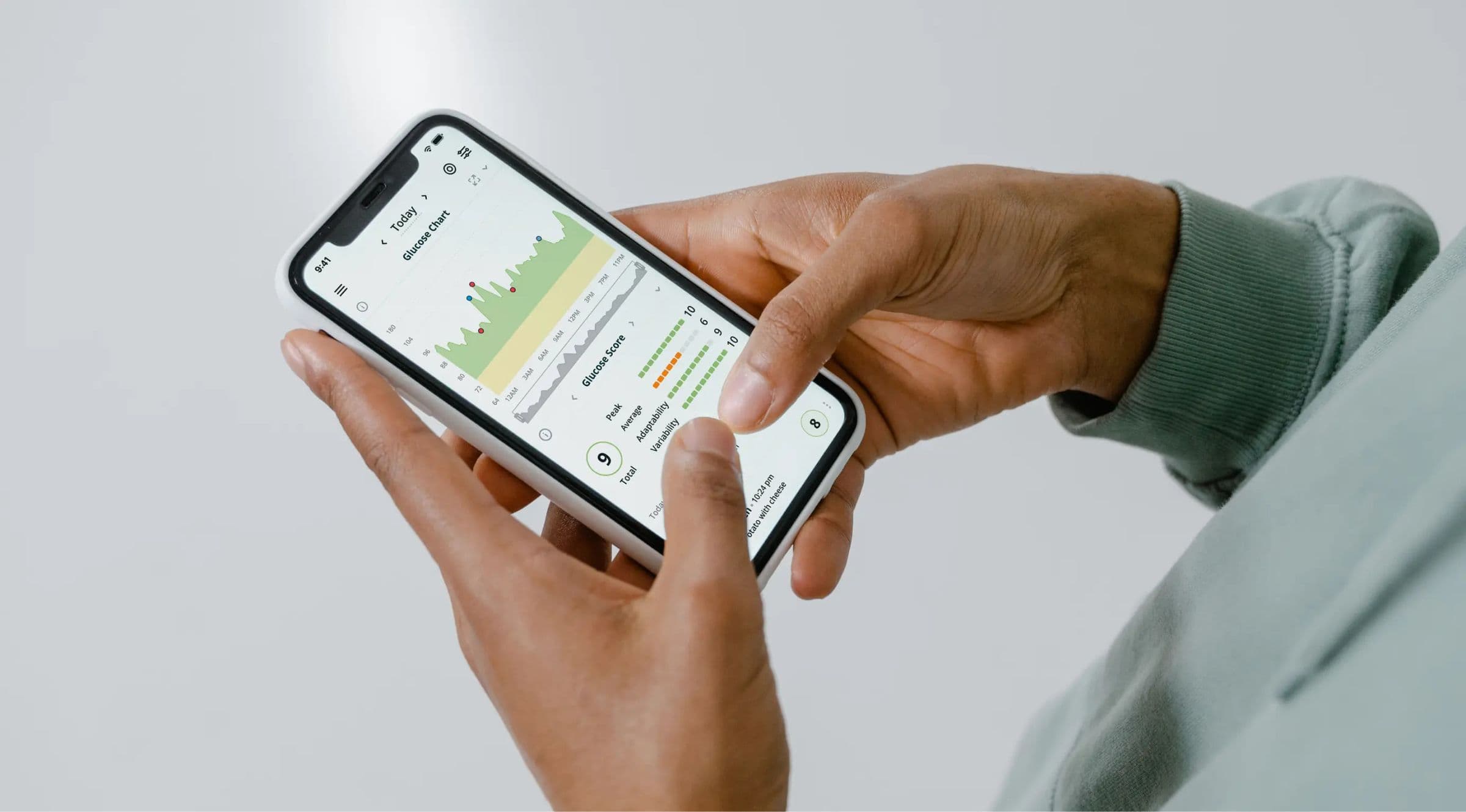
Clinician-first UX. Patient-first UI.
Interfaces that respect clinician time and patient literacy, designed against the workflow, not against the mock.
- Typical modernisation window
- 12 mo
- In-house team owns the runway
- 80%
- Care downtime on cutover
- 0 min
Where UX / UI fits in your healthcare stack.
Legacy modernisation, zero-to-one product engineering, mobile and web builds, UX/UI for clinicians, and enterprise technology consulting, the practices that carry a healthcare organisation from the platform it has to the platform it needs.
Everything shipped alongside your team, with the change management, training and evidence programmes that decide whether a transformation actually lands on the floor.
Inside this practice, UX / UI is engineered against real workflow, with the same clinician-in-the-loop, HIPAA-by-default and same-team-through-go-live standards as every other engagement we run.
What we ship, shipped every time.
A working set of capabilities that arrive as part of the engagement, engineered, tested and documented, not just promised on a slide.
- Clinical workflow design
- Patient journey design
- Interaction & motion
- Design systems
- Accessibility (WCAG 2.2)
- Usability testing
- Typical modernisation window
- 12 mo
- In-house team owns the runway
- 80%
- Care downtime on cutover
- 0 min
What we build to, and what we build on.
Standards and technology chosen for the workload, never defaulted to whichever we happen to be closest to.
- Agile
- Design-led
- HIPAA
- GDPR
- ITIL
- ISO 27001
- React
- Next.js
Four moves. Same rhythm every time.
Same operating model whether the engagement is six weeks or twelve months. Small, disciplined, boring, which is what you want when patient care is at stake.
Clinical discovery
Two to three weeks. We sit with clinicians, ops and IT. Map the real workflow, name the constraints, agree what "shipped" means on the floor.
Shape the work
Fixed scope with weekly billing, or a monthly retainer. Compliance evidence, migration path and success criteria planned into the scope on day one.
Ship in weeks
Weekly production releases, always behind flags. Clinician-in-the-loop on every AI feature. Same team from design through go-live, no handoffs.
Own the runway
Handover is continuous. Your team gets the code, infrastructure, runbooks and audit evidence by delivery. Support is a service, never a lock-in.
The ones we hear most often.
A short answer to each. If yours isn't here, the fastest way to get it answered is to ask us directly.
Ask a questionHow do you approach a legacy modernisation without breaking care?
Strangler-pattern, always. New capability alongside the old, running in shadow production, then cut over module by module. The last thing we do is turn off the old system, not the first.
Do you run design and engineering as one team?
Yes. Design, engineering, clinical and QA sit in the same reviews from week one. Handoffs are the failure mode we design against.
What does 'enterprise technology consulting' actually cover?
Strategy to roadmap. We assess where you are, agree where you're going, and hand back a costed, sequenced plan that your team could execute even if we walked away tomorrow.
How is knowledge transferred to our team?
Continuously. Pairing, review, documentation, runbooks and structured walkthroughs, with the goal that your team owns the platform at exit, not months later.
Related in Healthcare Digital Transformation.
Bring us the hard part.
A short conversation is usually enough to know if we are the right team. If we are not, we will tell you.